
World Banknotes
Yemen Introduces New 200-Rial Banknote Amid Currency Dispute

Sep
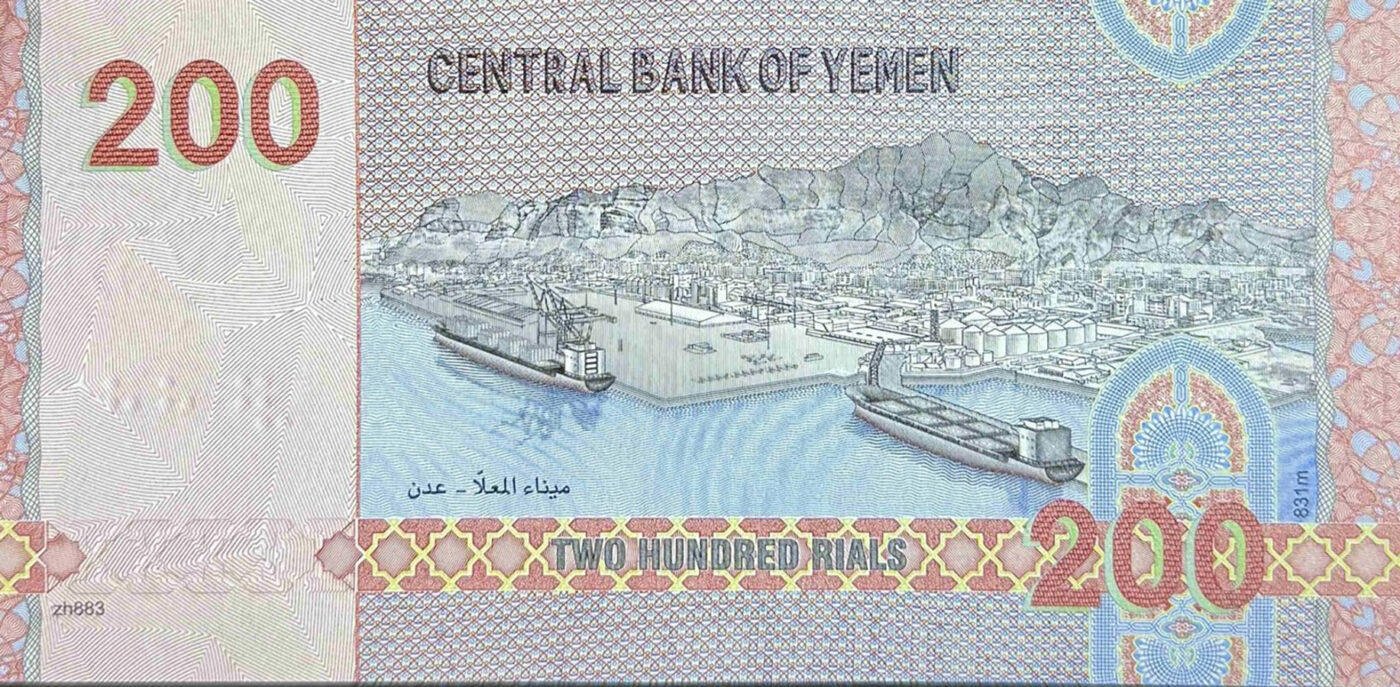
A new chapter has opened in Yemen’s ongoing financial divide. On 16 July 2025, the Central Bank of Yemen in Sana’a, controlled by the Houthi group, officially introduced a new 200-rial banknote (Pick B133a).
This development immediately sparked controversy, as the Central Bank in Aden, aligned with Yemen’s internationally recognized government, condemned the release as a “serious escalation” and warned citizens against using the note. Aden authorities labeled it an “illegal issue” and threatened penalties for anyone found possessing, trading, or accepting the new currency.
Design & Features of the New 200-Rial Note
The new note carries distinct design elements and modern anti-counterfeiting details despite Yemen’s deepening political and economic turmoil:
Denomination: 200 Yemeni rials (approx. US$0.80)
Size: 155.2 × 76 mm
Colors: Pink, light blue, yellow, and black
Front: Features Al Janad Mosque in Ta’izz along with Arabic text
Back: Displays tankers at Al Ma’alla port in Aden with English text
Security Elements:
Holographic stripe with repeating coat of arms pattern
No security thread reported
Watermark details remain unclear
Series & Signatures: 2025 / AH1446 issue, signed by al-Madani (Signature 10)
Printer: Unknown
The Political Divide
This banknote not only serves as a medium of exchange but also highlights the deep political and economic split within Yemen:
Sana’a Authorities (Houthis): Issued the note, framing it as part of their efforts to stabilize the economy under their control.
Aden Authorities (Internationally Recognized Government): Strongly rejected the issue, branding it a “terrorist currency” and warning the public of fines or criminal charges for its use.
This tug-of-war over monetary policy reflects Yemen’s larger struggle between rival administrations, each controlling different regions of the war-torn country.
Why Collectors Should Take Note
For collectors, this 200-rial note (B133a) represents more than just face value:
Historical Significance: Issued during one of the most politically divided moments in Yemen’s modern history.
Rarity Potential: Notes from unrecognized or disputed authorities often become scarce outside the issuing regions.
Unique Design: Combining Islamic architecture (Al Janad Mosque) with maritime imagery (Aden port), the note symbolizes Yemen’s diverse heritage.
Final Thoughts
The introduction of the Yemen 200-rial banknote highlights how currency can become a tool of political power as well as a medium of economic exchange. While its long-term circulation remains uncertain, it has already secured a place in the story of Yemen’s fractured financial system—and on the radar of serious banknote collectors worldwide.
Courtesy: Dmitry Svobodin and Alex Zlotin
